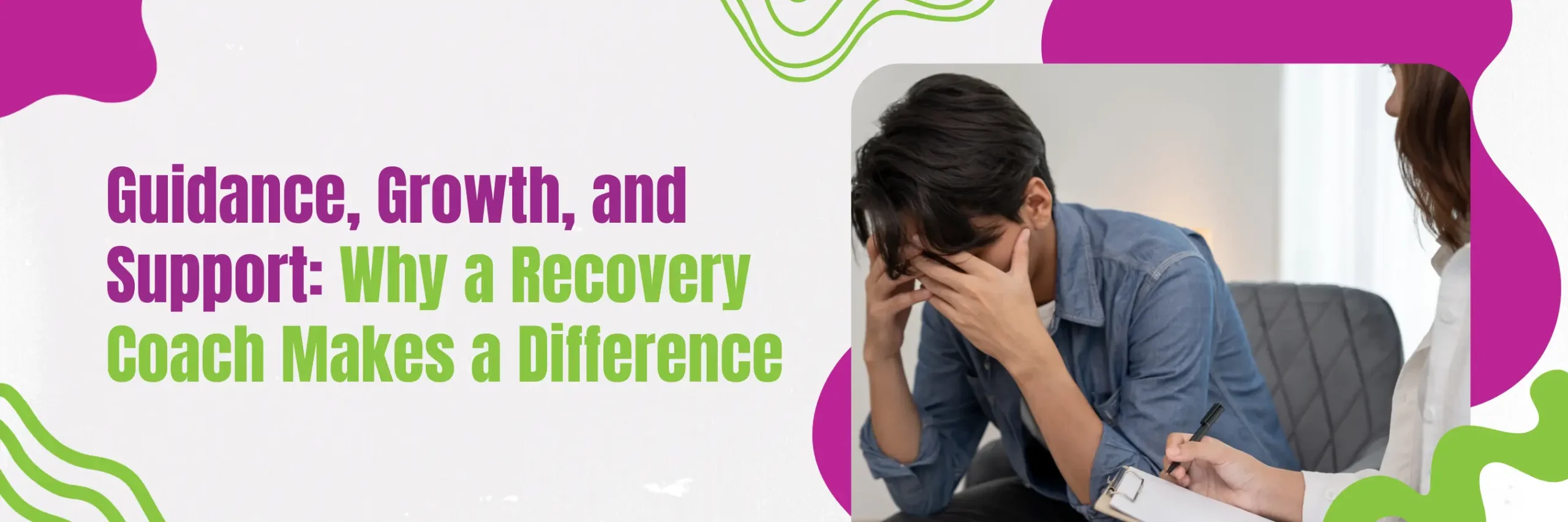
Having a psychosocial disability is not just living with your condition, it can mean dealing with a whole lot more. There is mental health to contend with, a life to live, navigating the National Disability Insurance Scheme (NDIS) and searching for purpose in day-to-day. It’s overwhelming. Here’s where Psychosocial Recovery Coach comes in, someone who has clinical expertise and whose role is to assist you as you embark on a journey of recovery.
If you’re considering using this kind of support, here are five major benefits you’ll likely notice when working with a psychosocial recovery coach, benefits that go beyond “just getting through the day”.
1. Greater Independence and Self-Management
One of the greatest changes that people notice is gaining more mastery over their lives. Recovery coaching assists you in learning and practicing daily living skills, decision-making, problem-solving, financial management, and time management, for example. You’ll become more self-assured in handling routines, making decisions, and seeing how your mental health or psychosocial issues impact you with time.
Psychosocial recovery coaches are there to assist you in expanding your independence, social engagement and economic engagement.
2. Enhanced Mental Health and Emotional Well being
Having someone to assist you with navigating what is occurring emotionally can be a big difference. Recovery coaches help create coping strategies, manage symptoms, identify warning signs, and develop resilience.
Individuals who undergo psychosocial recovery coaching commonly respond with increased feelings of being appreciated, more hopeful, and more invested in life. This strategy resonates with recovery values such as connectedness, hope, identity, meaning, empowerment, and resolving distress.
3. Improved Social Bonds and Community Involvement
Isolation is a frequent problem when you’re experiencing psychosocial disability. A recovery coach assists you in reconnecting with supports, peers, community groups, family, informal networks, and in meaningful ways participate in community activities. This can decrease loneliness, enhance the feeling of belonging, and assist with mental health in meaningful ways.
For most individuals, becoming able to interact socially once more, in ways that are meaningful and feel safe, is one of the strongest aspects of recovery.
4. Improved Navigating of Systems, Plans and Supports
The NDIS may be complicated. The forms, the planning, the reviews, the funding regulations, they are all a nightmare when you have mental health issues to contend with as well. A psychosocial recovery coach helps you learn about and access your NDIS plan, find out what supports are in place and of use to you, represent your rights, and bring together services from health, community and mental health.
That way you’re more likely to receive the supports that apply to you, as opposed to half-baked pieces that don’t quite fit.
5. Goal Setting, Meaning & Quality of Life
Usually, people get stuck because they don’t know what they want, or how to get there. A recovery coach assists you in determining what you care about—goals, hopes, wishes—and then works with you to divide them into step-by-step chunks.
It’s not about “getting better” in this sense; it’s about creating a life that feels meaningful, full of purpose. Maybe that’s getting back into part-time work, taking up a hobby, nurturing your relationships, or just feeling less anxious day-to-day. These goals inform a recovery path that you own.
 Putting it All Together
 Putting it All Together
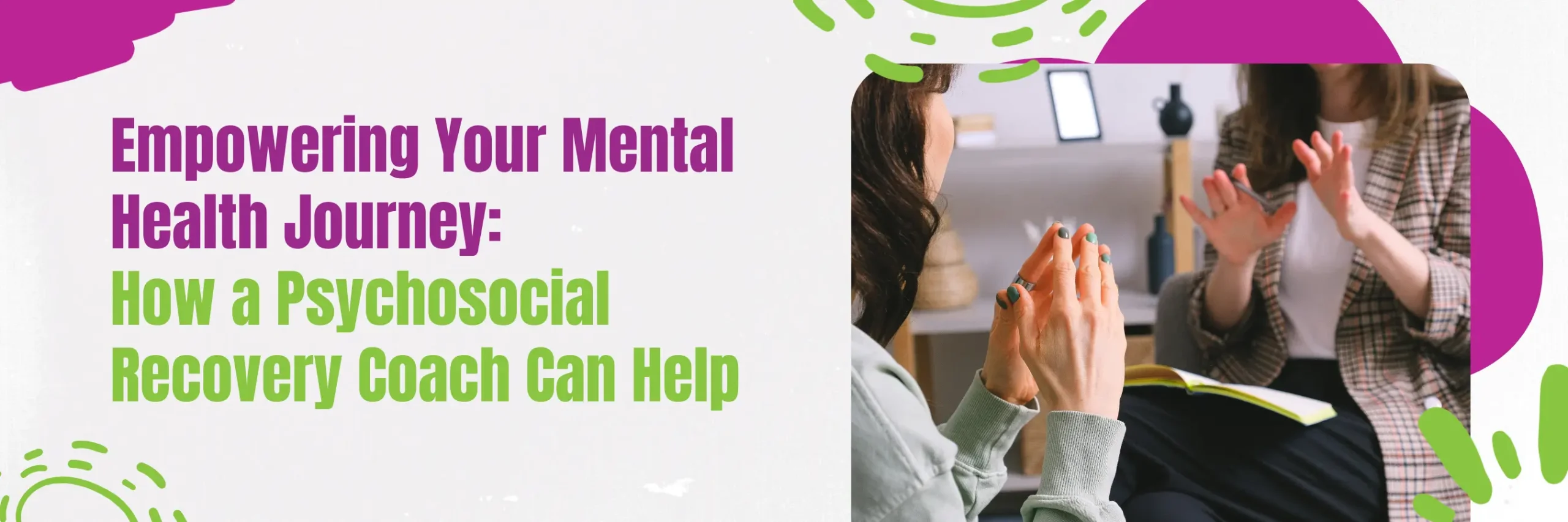
When you hire a psychosocial recovery coach, you’re not hiring someone to simply help you get through it. You’re hiring a recovery partner. Someone who hears you, who encourages you, who directs you and who teaches you how to build the tools to chart your own course.
These gains don’t appear overnight, and your path won’t be linear. But lots of individuals who’ve engaged with recovery coaching under the NDIS report being able to see genuine improvement in the way they think, feel, and engage with life. You’ll notice that across months the improvements are in doing more of what matters to you, feeling more empowered, and slowly introducing more social participation, work or other meaningful roles if that’s what you desire.
How to Know If It’s Right for You
If any of this sounds familiar, perhaps you need more say in your life, or you feel trapped, isolated, or overwhelmed by systems, psychosocial recovery coaching could be just the thing.
You’ll want to check:
- that recovery coaching is part of your NDIS plan, or look into whether you can ask for it in a review of your plan
- the coach’s experience, ideally someone who understands your kind of psychosocial challenge, perhaps someone with lived experience
- that the coaching style suits you personally, some people want regular check-ins, others more hands-off
Conclusion
If you’re an Australian with a psychosocial disability or a supporter of a loved one, involving a psychosocial recovery coach can assist you to transition from mere survival to living. You develop skills, resilience, confidence, connection and purpose. That is what Recovery Coaching has to offer under the NDIS.
At ADCS, we specialise in psychosocial recovery coaching, that’s all about you, your values, your goals, your pace. Our coaches have professional expertise and, if you wish, actual lived experience themselves. We listen with you to hear your world, to join you with what’s important, and to hone the tools you’ll use to guide your own recovery. If you’re ready to talk about what this might mean for you, we’re here to talk.