

The phrases SIL, SDA, and Respite Care have probably come to your notice, whether you are guiding your loved one or yourself through the NDIS. At first glance, the differences between them can be puzzling as they all seem the same, and each plays a critical role in encouraging independence and quality of life. Knowing what every type of help offers will help you to make wise decisions that genuinely meet either your own needs or those of your family members.
Let’s break this down very clearly and simply.
What is SIL stands for?
Supported Independent Living (SIL) is just the assistance one receives to live as independently as possible. Just consider SIL as the continuing aid in simplifying and controlling everyday life. This covers the personal supports you need inside your home, not the house itself.
SIL may include:
- Assistance with cooking, cleaning, or doing laundry
- Personal care like showering or dressing up
- Medication management support
- Skill development to help one live independently
- Encouragement to participate in social or community activities
You can either stay in a shared house with other participants or on your own, depending on your specific need and NDIS plan. SIL funding is meant for individuals who require significant assistance during the day or night and would work best in a shared living arrangement. The aim is to develop your confidence and ability to manage daily life without constant supervision or support but safely and comfortably.
What is SDA (Specialist Disability Accommodation)?
While SIL focuses on the support you receive, Specialist Disability Accommodation(SDA) focuses on where you live.
SDA refers to homes that are purpose-built or modified to cater for people with very high support needs or extreme functional impairment. Such houses are constructed to make living easier, safer, and accessible. You might see features like:
- Wider doorways for wheelchair accessibility
- Reinforced walls or ceiling hoists to support mobility
- Smart home technology for independence
- Emergency response systems built into the property
SDA is NDIS funding for the cost of the home itself, not the support staff. People who receive SDA are often also eligible to receive SIL or other supports which are delivered within their SDA home.
So, to put it simply: SDA provides the house, SIL provides the support.
What is Respite Care?
Respite Care, while different from SIL and SDA, is equally important. It provides temporary accommodation and assistance either when you or your usual carer need some time off. These can be planned in advance or accessed during emergencies.
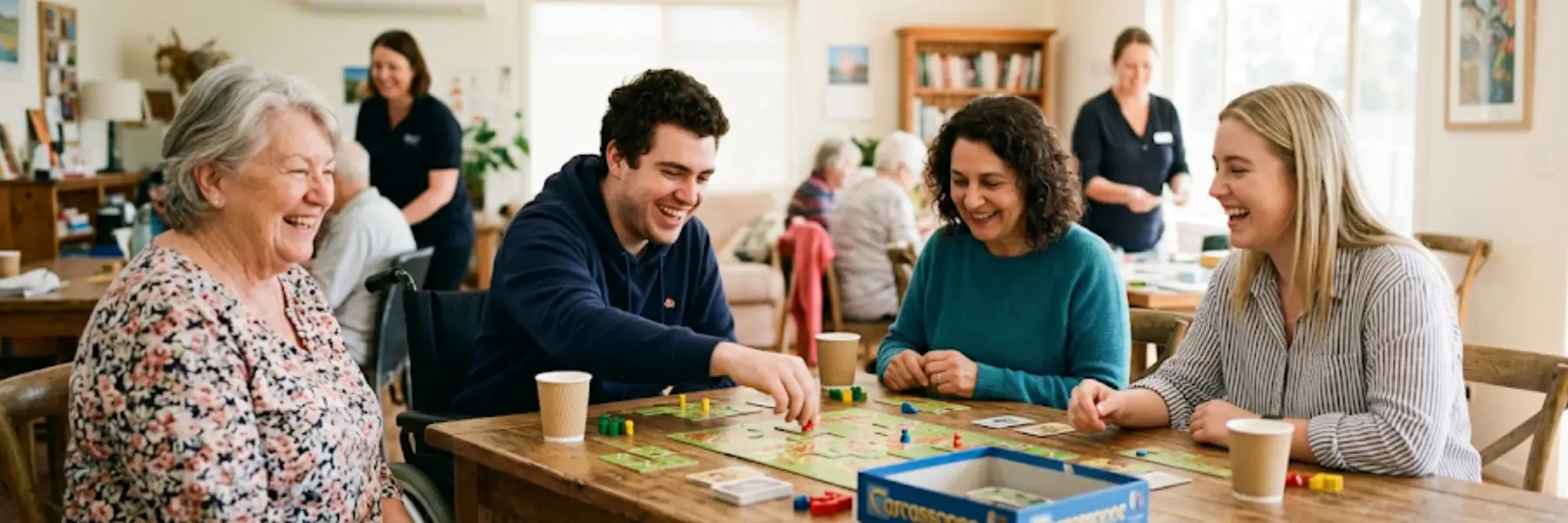
You might use respite care when:
- Your carer needs rest or time away
- You want a change of scenery or to try living away from home
- You’re changing between different levels or types of care or housing
The length of your respite stay can vary from a single night to several weeks, depending on your needs and NDIS plan. It gives participants and carers a much-needed break, reducing stress and helping to ensure wellbeing in the longer term. For participants, respite care is also a great opportunity to meet new people, enjoy new experiences, and feel connected within the community.
Comparing SIL, SDA & Respite Care
It may help to consider SIL, SDA, and Respite Care as pieces of the same puzzle, each making a different contribution toward an individual’s independence, comfort level, and support.
| Feature | Supported Independent Living | Specialist Disability Accommodation | Respite Care |
| Purpose | Ongoing support to live independently | Accessible housing for people with high needs | Short-term support or temporary stay |
| Funding Covers | Support staff and assistance with daily living | The physical property and housing modifications | Accommodation and care for a short period |
| Duration | Long-term or ongoing | Long-term housing solution | Short-term or occasional |
| Benefiting Most | Participants requiring assistance daily | Participants with complex physical needs | Participants or carers requiring temporary relief |
Each level of support provides something different, although sometimes all can be used together. For example, a participant may reside in an SDA home, receive SIL supports every day, and use Respite Care from time to time to provide breathing space for all concerned.
Choosing the Right Support for You
Choosing between SIL, SDA, and Respite Care will depend on your goals, level of independence, and type of assistance you require. If you are discussing your plan with your NDIS coordinator or support provider, keep these things in mind:
- How much help you need with everyday activities
- Whether your current housing meets your accessibility needs
- If you or your carer would benefit from short breaks now and then
It’s also important to know that you can have more than one funding stream as part of your NDIS plan. You may receive SDA funding for your home and SIL funding for the supports delivered within that home.
Knowing these categories lets you maximise your NDIS plan and guarantees you’re obtaining the correct mix of housing and care assistance.
Reasons Why Understanding These Differences Matters
Knowing what each NDIS assistance covers will enable you to make better educated decisions matched with your own objectives and way of living. This will also enable you to more efficiently utilise your funding because there will be neither ambiguity nor redundant services.

SIL, SDA, and Respite Care are not one-size-fits-all treatments. Customising these fits your particular circumstances. Every one of these services, living alone with daily help, moving into designed housing, or making time for rest and recuperation, helps to create a more whole and more balanced life.
Building a Better Living Experience with ADCS
Although it seems intimidating to negotiate NDIS alternatives, you do not have to go alone.ADCS is here to help you understand which supports best meet your needs and guide you along the way. Whether you’re looking into SIL, SDA, or Respite Care, our focus is on creating living arrangements that promote independence, comfort, and well-being because everyone deserves a place where they can thrive.
Contact ADCS right away if you are ready to explore your possibilities and learn what is achievable so that you may start creating the life you want.
