

Getting out of the house matters — not just for a change of scenery, but for the very real skills that come with it. Communication, confidence, navigating transport, making friends, managing routines: these are the outcomes that shape independent lives. And yet, most lists of NDIS community activities stop at “here are some things you can do.” They don’t tell you why those activities matter, how they connect to your NDIS plan goals, or how the funding actually works.
That changes here. As a registered NDIS provider in Sydney, ADCS (Australian Disability Care Services) has supported countless participants to step into their communities with confidence. This article maps 10 real Sydney activities — complete with venues, skill outcomes, and NDIS funding information — so you can make truly informed decisions.
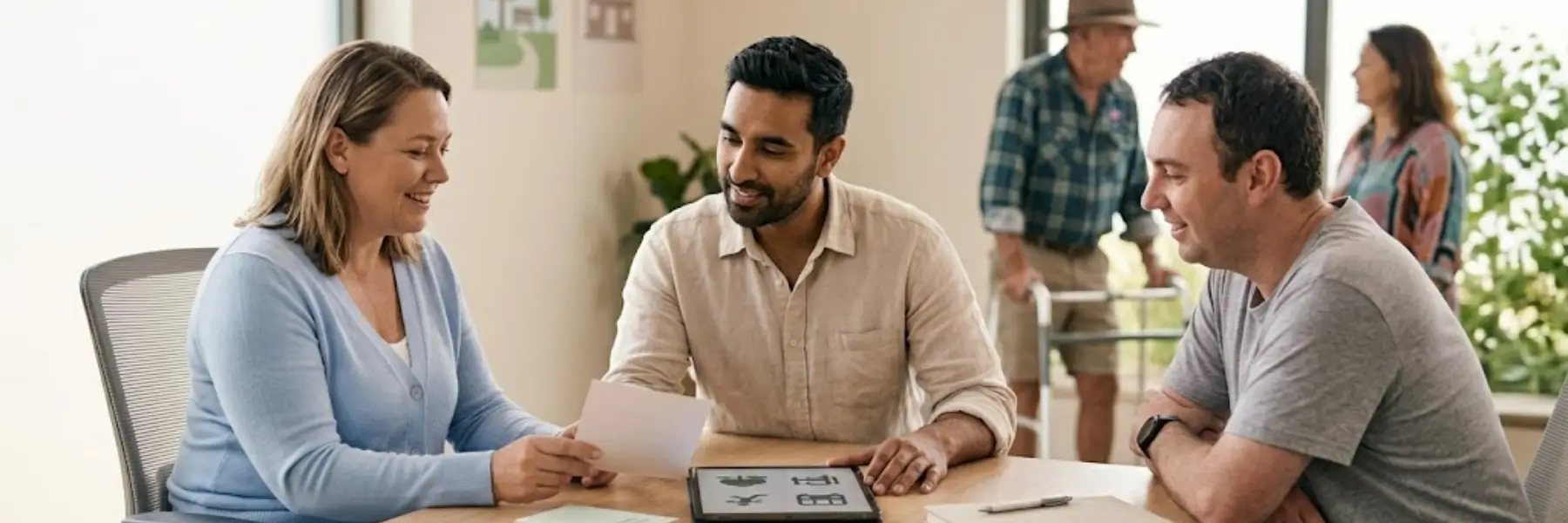
Why NDIS Community Participation in Sydney Matters More Than Ever
The data tells a compelling story. Of NDIS participants aged 15 years and older who have been in the Scheme for two years or more, 43% reported increased participation in community and social activities — a relative increase of 22%. (NDIS Quarterly Report Q2 2024–25, ndis.gov.au)
That improvement doesn’t happen by accident. It happens when participants are matched to the right activities — ones that align with their goals, their interests, and their individual plans. More than 692,000 Australians are currently receiving disability-related supports from the NDIS, and with every new plan comes the opportunity to invest in community life meaningfully. (NDIS Quarterly Report, December 2024, ndis.gov.au)

Understanding NDIS Funding for Community Activities
Before diving into the activities, it helps to understand which funding lines pay for them. There are two main budget categories that cover disability community activities in Sydney:
- Core Supports – Assistance with Social, Economic and Community Participation (Support Category 04): This is the most commonly used line. It funds support workers to accompany participants to community activities, group programs, and social outings.
- Capacity Building – Increased Social and Community Participation (Support Category 09): This funds programs designed to build skills over time — including day programs, skill development workshops, and transition planning. Think of it as investing in long-term capability rather than moment-to-moment support.
Some activities draw on both budgets — for example, a cooking class where a support worker attends (Core) and the program itself develops independent living skills (Capacity Building).
Not sure how your plan is structured? ADCS’s Support Coordination team can help you interpret your budget and match it to activities that deliver real outcomes. You can also explore how to understand your NDIS plan on the ADCS website.
10 NDIS-Funded Community Activities in Sydney — With Real Outcomes
1. Creative Arts Programs — Accessible Arts NSW
Venue: Statewide, including Sydney CBD and Western Sydney hubs
NDIS Goal Category: Communication, social skills, self-expression, confidence
Funding Line: Core Supports (Category 04) and Capacity Building (Category 09)
Accessible Arts NSW delivers inclusive visual arts, theatre, and music programs designed specifically for people with disability. Participants practise turn-taking, active listening, and creative decision-making — transferable skills that show up across daily life. Art-based activities consistently rank among the most effective for reducing social isolation.
2. Inclusive Sport — Special Olympics NSW
Venue: Multiple locations across Greater Sydney, including Parramatta and the Inner West
NDIS Goal Category: Physical wellbeing, teamwork, social connection, routine and structure
Funding Line: Core Supports (Category 04)
Special Olympics NSW runs year-round training and competitions across sports including athletics, swimming, basketball, and bocce. Beyond fitness, sport builds communication, patience, and peer relationships — outcomes that carry well beyond the playing field. Participants often develop their most enduring friendships through regular team training.
3. Therapeutic Horticulture — Royal Botanic Garden Sydney
Venue: Mrs Macquaries Road, Sydney CBD
NDIS Goal Category: Health and wellbeing, sensory regulation, focus, and community access
Funding Line: Core Supports (Category 04)
The Royal Botanic Garden Sydney runs structured garden programs for people with diverse needs. Nature-based activities have strong evidence behind them for reducing anxiety, improving focus, and encouraging calm engagement. A support worker can accompany participants under Core Supports funding, making this a flexible and accessible option.
4. Cooking and Life Skills Groups — Northcott (Sydney-wide)
Venue: Multiple Northcott centres and community kitchens across Sydney
NDIS Goal Category: Independence, daily living, meal preparation, budgeting
Funding Line: Capacity Building (Category 09)
Cooking groups are one of the most direct pathways to practical independence. Participants learn to plan meals, follow recipes, manage budgets at the supermarket, and work safely in a kitchen — all skills that directly support independent or semi-independent living. Northcott’s group sessions also provide a natural social setting, helping participants build friendships with shared interests.
5. Volunteering — Foodbank NSW (Villawood)
Venue: 4 Sirius Road, Villawood NSW 2163
NDIS Goal Category: Employment readiness, responsibility, social contribution, confidence
Funding Line: Core Supports (Category 04); some Capacity Building (Category 09) depending on goals
Volunteering at Foodbank NSW — one of Australia’s largest food relief organisations — offers meaningful, structured work experience. Participants sort food donations, pack hampers, and contribute to a clear community purpose. For those working towards employment goals, this kind of supported volunteering builds the habits and references that employment requires.
6. Water Sports — Disabled Surfers Association of Australia (Sydney Northern Beaches)
Venue: Collaroy Beach and various Northern Beaches locations
NDIS Goal Category: Physical wellbeing, confidence, sensory experience, community belonging
Funding Line: Core Supports (Category 04)
The Disabled Surfers Association runs free surf days — and while surfing itself may not be NDIS-funded, support worker attendance at these events is. The beach environment, the physical challenge, and the supportive community create powerful wellbeing outcomes. Many participants describe their first surf experience as a turning point in confidence.
7. Equine-Assisted Activities — Riding for the Disabled Association (RDA) NSW
Venue: Multiple RDA centres within the Greater Sydney region, including Luddenham and Sutherland
NDIS Goal Category: Physical coordination, emotional regulation, communication, confidence
Funding Line: Core Supports (Category 04) and Capacity Building (Category 09)
Horse riding engages the whole body and requires focused communication — with the horse and with instructors. RDA NSW centres have decades of experience supporting people with physical, intellectual, and psychosocial disabilities. Research consistently shows that equine-assisted activities support emotional regulation and improve physical coordination in meaningful ways.
8. Cultural Excursions — Australian Museum, Sydney CBD
Venue: 1 William Street, Sydney NSW 2010
NDIS Goal Category: Community access, curiosity, transport navigation, social participation
Funding Line: Core Supports (Category 04)
The Australian Museum offers accessible galleries, sensory-friendly sessions, and group tours. Excursions like these build community access skills — navigating public transport or accessible taxis, planning ahead, interacting with the public, and engaging with cultural content. Over time, regular outings reduce anxiety and build genuine confidence in community settings.
9. Music Programs — Sydney Conservatorium of Music Community Programs
Venue: Macquarie Street, Sydney CBD
NDIS Goal Category: Communication, emotional expression, social skills, routine
Funding Line: Core Supports (Category 04) and Capacity Building (Category 09)
The Con’s community music programs include inclusive ensembles and workshops accessible to participants with a wide range of abilities. Music strengthens memory, sequencing, and emotional regulation — and ensemble settings naturally build listening and social reciprocity. For some participants, music is the first place they have felt truly included.
10. NDIS Day Programs — Group and Centre-Based Activities (ADCS)
Venue: Sydney-wide (ADCS supports participants across Greater Sydney)
NDIS Goal Category: Daily living, social skills, routine, independence
Funding Line: Core Supports (Category 04) and Capacity Building (Category 09)
ADCS runs group and centre-based activities maintaining a one-to-three support ratio, giving participants structured, supported engagement in both centre and community settings. Programs are tailored to individual goals — not a one-size-fits-all activity list — which makes a genuine difference to outcomes. If you’re exploring NDIS day programs in Sydney, this is a good place to start.
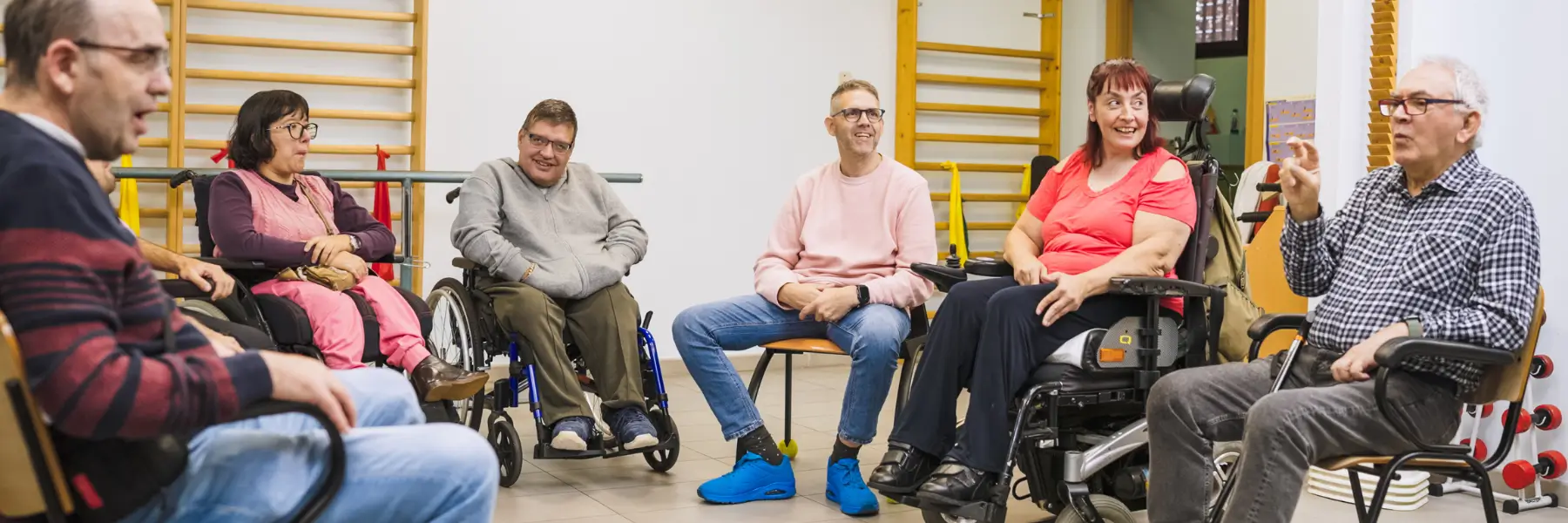
How Families and Support Coordinators Can Match Activities to an NDIS Plan
Choosing activities well isn’t guesswork — it’s a process. Here’s a practical approach:
- Start with the participant’s goals. Pull up their NDIS plan and look at the stated goals. Is independence a priority? Employment readiness? Social connection? Health? Each activity above has been mapped to a goal category for exactly this reason.
- Check the budget category. Confirm whether the activity falls under Core Supports or Capacity Building. A support coordinator can help if this is unclear.
- Consider the participant’s sensory and social preferences. A loud, fast-paced sports environment isn’t for everyone. Match the setting as much as the activity.
- Start small and build. A trial excursion before committing to a regular program reduces anxiety and builds confidence gradually.
- Review outcomes at plan reassessment. Keep notes on what’s working. Evidence of progress in community participation strengthens the case for continued or increased funding.
ADCS’s Social and Community Participation service is built around exactly this kind of personalised matching. You can also explore our NDIS Explained page if you’re still finding your feet with the Scheme.
Ready to Get Started with NDIS Community Participation in Sydney?
Community isn’t a nice-to-have, it’s central to a good life. The right activities don’t just fill time; they build real skills, real friendships, and real confidence that carry into every other area of daily living.
At ADCS, we work with participants and families across Greater Sydney to find activities that genuinely align with their goals and their personality. Whether you’re just starting out or looking to expand an existing plan, we’d love to help you take that next step.
Call us or email info@adcs.au
Frequently Asked Questions (FAQs)
1. What NDIS funding covers community activities in Sydney?
Community activities are primarily funded under Core Supports (Category 04) for day-to-day participation, and Capacity Building (Category 09) for programs that build skills over time. Your Support Coordinator can confirm which applies.
2. Can a support worker attend community activities with me under NDIS?
Yes. Under Core Supports funding, a support worker can accompany you to social outings, sports, arts programs, and excursions — making community participation accessible regardless of your support needs.
3. How do I choose the right community activity for my NDIS plan goals?
Start by reviewing your stated NDIS goals, then match activities to those outcomes. A Support Coordinator or registered NDIS provider like ADCS can help align activities to your individual plan and budget.
